


Closing commercial real estate (CRE) lending is inherently complex. Refinancing cycles, regulatory requirements, and evolving market conditions mean that lenders must manage risk carefully and execute efficiently. Taking control of your closing process helps ensure accuracy, reduce delays, and support stronger decision-making.
Across hundreds of transactions and countless conversations with GoDocs clients and industry partners, seven practices stand out as durable, repeatable ways to keep control of your CRE loan closings, no matter what the next cycle brings. This recap distills what has worked best in the field, combining industry trends with practical advice from GoDocs’ legal, product, and customer success teams to help you enter the new year with a stronger, more resilient closing process.
1. Stress-Test Your Deal Structure
Evaluate the impact of refinancing risk and legacy loans before closing. Modeling potential outcomes allows you to anticipate challenges and structure deals that remain sound under different market conditions.
2. Leverage Documentation Automation
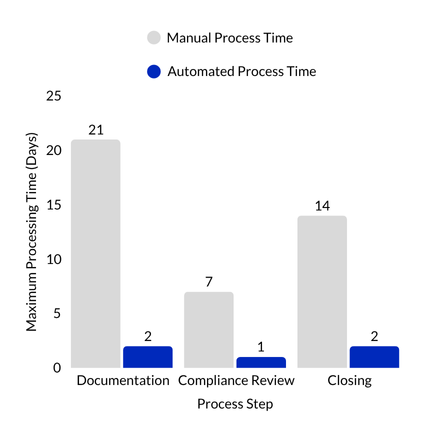
Automated loan agreements reduce execution risk and help maintain accuracy. By standardizing key steps, you ensure that complex loan documents are prepared and reviewed consistently, minimizing errors and delays.
3. Use Scenario Planning for Market and Interest Rate Risk
Consider multiple scenarios to understand how changes in interest rates or economic conditions could affect your loan. Scenario planning provides insights that help guide decision-making and mitigate potential risks.
4. Build Transparency with Stakeholders
Maintain clear communication with borrowers, partners, and internal teams through a centralized closing workflow. Transparency reduces confusion, fosters trust, and ensures all parties have access to accurate, up-to-date information.
5. Incorporate Real-Time Compliance Tools
Track regulatory, state, and covenant requirements throughout the closing process. Real-time compliance tools ensure that all documents meet legal and regulatory standards, reducing risk and supporting smooth closings.
6. Use Automated Document Review with Built‑in Safeguards
Implement purpose-built automation and structured playbooks to flag risks, standardize review, and ensure your closing documents satisfy legal, regulatory, and deal‑specific requirements.
7. Capture Closing Data for Continuous Improvement
Collect and analyze data from each closing to inform future deals. Reviewing past closings supports more accurate underwriting, identifies workflow improvements, and strengthens risk management strategies over time.
Ensuring Control and Confidence in Your Closings
Managing a CRE loan closings effectively requires a combination of careful planning, process control, and reliable tools. By implementing these strategies, lenders can reduce risk, improve efficiency, and make informed decisions that support long-term success.
Ready to streamline your next closing? Schedule a quick call with our team to explore how automated loan documentation can help you close faster; with greater control and confidence.
Experience the Future of Commercial Loan Document Automation
Discover GoDocs, the leading SaaS solution powered by the sharpest legal minds in CRE! Schedule a demo today to elevate your lending process and to gain your competitive advantage.

VP, Marketing at GoDocs