


Imagine heading into a game where the opposing team picks the court, the referee, and even the game clock. That’s what forum shopping feels like for equipment lenders when debtors (borrowers) file bankruptcy in courts friendlier to borrowers. The recent Equipment Finance News report calls this “forum shopping on behalf of the debtor,” and it’s no small challenge—one that can threaten enforcement strategy.
But here’s the truth: successful equipment lenders prepare their playbook so well that no court can catch them by surprise.
The key is to proactive draft and consistently apply, where enforceable, forum-selection (venue) clauses, state-specific repossession and right-to-cure requirements, and state-specific enforcement provisions into every document from day one. This allows lenders to control pre-bankruptcy disputes and enforcement actions—and to be prepared if a borrower later files bankruptcy in a different venue.
Leverage Your Venue Clause Strategically
As explained in Equipment Finance News, some borrowers try to file bankruptcy in courts they believe will be more favorable, to the extent permitted by bankruptcy venue rules, regardless of where they live or operate. These “forum-shopping” attempts can potentially give them advantages such as more lenient rulings, or more flexible treatment of assets. Some jurisdictions are perceived to be more lender-friendly, while others consistently tilt toward borrower protections.
From my experience working with lenders, my advice is this: while forum shopping is sometimes possible, the real advantage comes from how you draft your contracts to set yourself up for the best-case scenario. Choice-of-forum and governing-law clauses can be viewed as strategic levers. Thoughtful drafting lets you establish where many non-bankruptcy disputes will be handled, increasing the likelihood you’re in courts with a more predictable procedural posture and giving you a stronger position if a borrower defaults.
Proactively crafting these clauses, along with state-specific enforcement provisions, doesn’t give you absolute control over where a debtor may file. But it does minimize the impact of venue shopping, strengthen enforceability, and reduce uncertainty, even if proceedings occur outside your preferred jurisdiction. In today’s equipment finance environment, where bankruptcies are rising and regulatory pressures are evolving, this disciplined approach can make a meaningful difference in protecting your rights as the lender.
Forum Shopping Reflects a Broader Landscape of Regulatory Variation
The Equipment Finance News report also emphasizes how state-level variations extend beyond bankruptcy venue concerns, affecting disclosures, usury caps, and ESG requirements. Lenders reliant on manual compliance processes can struggle to keep pace with these evolving regulatory landscapes.
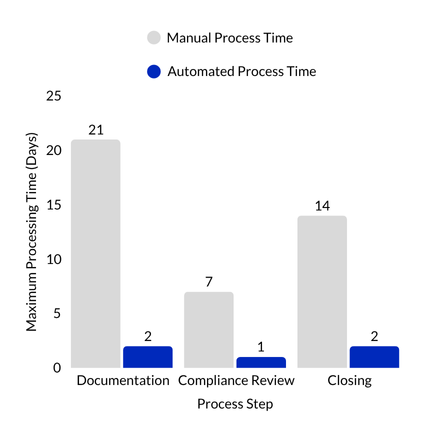
From my perspective, the key is taking proactive control of your loan documentation. That means centralizing your compliance frameworks, automating clause applications based on jurisdiction, and putting controls in place to help ensure your documents dynamically adapt to both legal and market changes. One multi-state lender shared their experience: “GoDocs automated our venue and enforcement clauses, allowing us to initiate new market lending within eight weeks with full compliance and no surprises.”
You can’t control where a debtor may file for bankruptcy, but you can control how you prepare for it contractually. Proactive drafting, combined with automated, state-aware documentation, isn’t optional anymore if you want to scale, stay compliant, and have operational certainty.
I know how stressful it can be to stay on top of constantly changing rules. Keeping track of new laws, shifting court interpretations, and market nuances can feel overwhelming. That’s why real-time compliance automation is a game-changer: it removes the anxiety about whether you’re up to date, ensures your documents are always accurate, and lets your strategy move forward without delay.
Takeaway: Your loan closing docs aren’t just paperwork; they’re your most powerful enforcement tool. Proactive, automated, state-aware drafting lets you focus on growth and enforcement; not constantly worry about whether your contracts are keeping up with the latest changes.
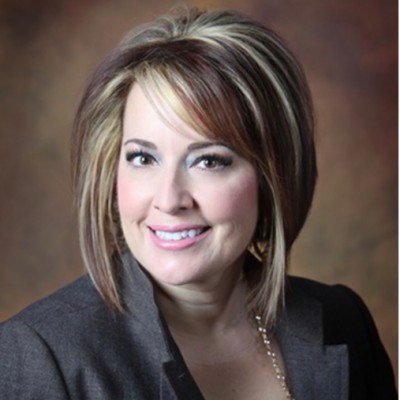
Chief Legal Officer